
The logistics industry generates enormous amounts of data every day—from fluctuating inventory levels and real-time shipment tracking to warehouse throughput metrics and shifting customer demands. As global supply chains grow increasingly complex and volatile, traditional, rule-based systems are no longer enough to keep pace.
To navigate these challenges, forward-thinking organizations are turning to artificial intelligence (AI) to improve operational efficiency, reduce overhead costs, and enhance strategic decision-making. AI is shifting from a futuristic luxury to a core necessity across the global supply chain.
Why Logistics Is a Strong Candidate for AI
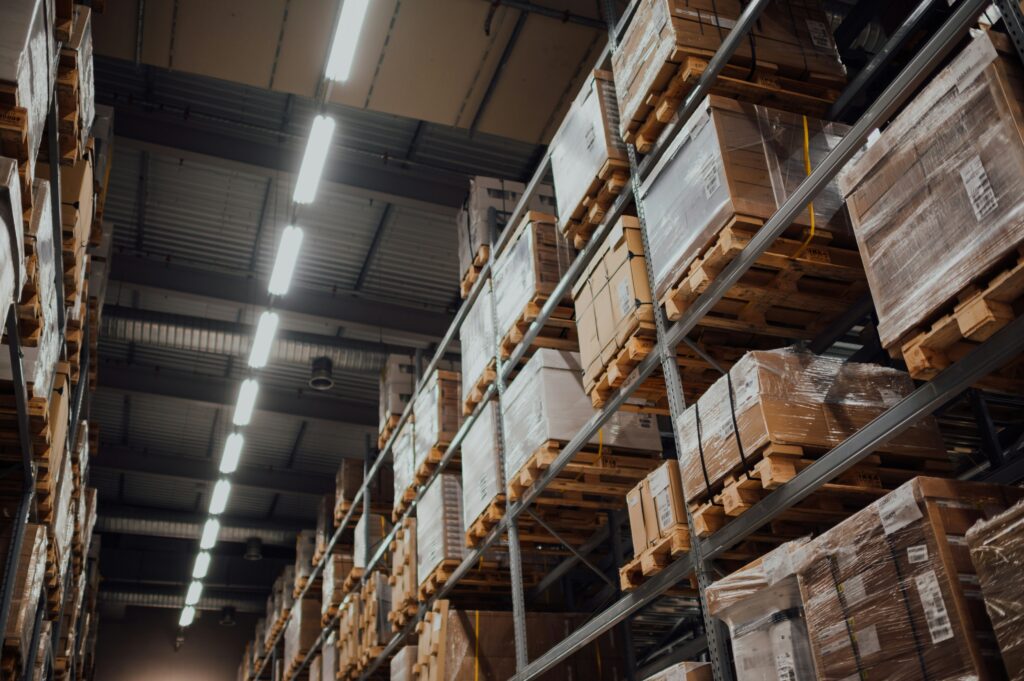
Logistics and supply chain management are inherently well-suited for artificial intelligence. The industry is defined by high-stakes variables that perfectly match AI’s computational strengths:
- Growing Operational Complexity: Managing multi-modal transportation, cross-border regulations, and tight delivery windows requires processing countless variables simultaneously.
- Massive Data Volumes: Global supply chains generate continuous streams of data from IoT sensors, GPS trackers, ERP systems, and historical invoices.
- Demand Volatility: Rapidly shifting consumer behaviors, geopolitical events, and economic cycles make legacy baseline forecasting obsolete.
What Is AI in Logistics?
At its core, AI in logistics refers to the application of advanced computing technologies—such as machine learning, predictive analytics, computer vision, and autonomous agents—to automate tasks, recognize complex data patterns, and make intelligent decisions.
Rather than relying purely on static spreadsheets and human intuition, artificial intelligence in logistics enables software to learn from historical data, adapt to unexpected disruptions, and execute tasks. This ranges from simple algorithmic sorting in a warehouse to autonomous logistics automation workflows where software manages supply chain disruptions end-to-end.
Key Benefits of AI in Logistics
Implementing logistics AI solutions offers structural advantages that ripple across an entire organization:
- Improved Forecasting: Moving from reactive inventory management to proactive positioning based on data-driven predictive signals.
- Cost Reduction: Minimizing deadhead miles (empty miles driven), reducing inventory holding costs, and preventing costly equipment breakdowns.
- Better Resource Allocation: Optimizing workforce schedules, fleet utilization, and warehouse square footage dynamically.
- Improved Customer Experience: Providing highly accurate Estimated Times of Arrival (ETAs) and proactive delay updates to shippers and end-consumers.
6 Real-World AI Use Cases in Logistics
The practical deployment of ai in supply chain operations is happening across seven primary pillars:
1. Demand Forecasting
Machine learning algorithms analyze historical sales data, seasonal trends, macroeconomic indicators, and even weather patterns to predict exactly what inventory will be needed where. This prevents both costly stockouts and profit-killing overstock situations.
2. Route Optimization
AI tools dynamically calculate the most efficient path for delivery fleets, taking into account real-time traffic, construction, delivery windows, and fuel efficiency. This cuts transit times and reduces carbon emissions.
3. Warehouse Automation
By leveraging computer vision and intelligent robotics, automated warehouses use AI to orchestrate picking and packing paths, optimize slotting (where items are placed based on popularity), and manage shelf inventory layout with minimal human intervention.
4. Predictive Maintenance
IoT sensors embedded in delivery vehicles or warehouse machinery stream health data to predictive AI models. The system flags part degradation before a component fails, scheduling maintenance during natural downtime to avoid catastrophic fleet delays.
5. Supply Chain Visibility
AI-driven control towers aggregate disparate data streams to provide real-time tracking of goods across oceans, air, and roads. If a port experiences a labor strike, the system automatically surfaces the disruption before it halts production.
6. AI Agents for Logistics Operations
Building directly on modern autonomous frameworks, intelligent AI agents are stepping into everyday operations. Rather than just flagging an issue, a logistics agent can independently detect a shipping delay, review alternative carriers, cross-reference contract pricing, draft a re-routing proposal, and update the internal ERP system—handling exception management end-to-end.
Challenges of AI Adoption in Logistics
Despite the clear financial return on investment, scaling ai logistics use cases is rarely straightforward. Organizations consistently run into several operational roadblocks:
- Data Quality Issues: AI models require clean data. Many logistics companies suffer from siloed data trapped in legacy formats, fragmented spreadsheets, of carrier logs.
- Legacy Infrastructure: Integrating modern cloud-based machine learning models with decades-old terminal management or warehouse software creates technical friction.
- Integration Complexity: Orchestrating an unified data flow across third-party logistics (3PL) partners, and internal teams is a massive architecture challenge.
- Governance and Security: Protecting proprietary supply chain data and ensuring algorithmic transparency when making automated inventory decisions.
Skills Organizations Need for AI-Driven Logistics
To overcome these challenges and successfully execute an ai supply chain management strategy, teams must develop capabilities beyond standard operations management:
- Data Literacy: The ability to understand, clean, and interpret data flows across the supply chain.
- Analytics Capability: Shifting from basic reporting (what happened) to predictive and prescriptive analytics (what will happen and what should we do).
- AI Literacy: Understanding how machine learning models work, including how to structure prompts, evaluate model outputs, and supervise autonomous workflows.
- Process Optimization: Knowing how to redesign operational workflows so that humans and AI systems collaborate efficiently without duplicating effort.
Bridging the Logistics Talent Gap with WeCloudData
As the supply chain landscape evolves toward data-driven automation, the true bottleneck to AI adoption isn’t software availability—it is the widespread shortage of technical literacy within operations teams. Financial investment in advanced analytics or predictive models falls flat if the workforce lacks the foundation to manage them.
This is where WeCloudData steps in as a dedicated workforce development partner. WeCloudData provides targeted AI Skills Training and Corporate Upskilling Programs.
Through hands-on learning technologies and practical curricula, WeCloudData works directly with enterprise teams to build competencies in data analytics, machine learning pipeline management, and practical AI application engineering. By focusing on real-world supply chain data structures, WeCloudData helps organizations transform traditional logistics coordinators into data-literate professionals capable of implementing, and scaling advanced AI tools.
FAQ Section
1. What is AI in logistics?
AI in logistics refers to the use of advanced computing technologies—like machine learning, predictive modeling, and computer vision—to automate repetitive workflows, optimize transportation routes, and predict supply chain demands based on large datasets.
2. How can logistics organizations learn or adopt AI?
Organizations should start by cleaning their internal data pipelines, identifying low-risk use cases (such as demand forecasting or internal reporting), and partnering with dedicated workforce developers like WeCloudData to upskill their existing staff in core data literacy.
3. What are AI agents in logistics?
AI agents are autonomous software units designed to handle end-to-end operational tasks. Unlike standard systems that require human input for every step, an AI agent can detect a supply chain exception (like a weather delay), evaluate alternative shipping methods, and execute re-routing workflows independently.
4. What skills are needed for AI-driven logistics?
Teams require a solid mix of data literacy, predictive analytics comprehension, machine learning workflow management, agile process optimization, and AI tool supervision.
5. What challenges do companies face when adopting AI in logistics?
The most common challenges include fragmented data across legacy software systems, high integration complexity with third-party logistics providers, lack of internal technical skills, and resistance to changing traditional operational habits.
