Building a comprehensive AI toolkit for 2026 is less about finding a single “best” app and more about curating a stack that handles research, execution, and specialized workflows. For those looking to master these technologies, this guide categorizes the essential top AI tools list currently shaping the industry.
1. AI tools for Research: Text, Reasoning, and Strategy
While the landscape is crowded, a few foundational top AI tools for research remain the “brains” of most professional workflows.
- Claude (Anthropic): Continues to lead for nuance, complex reasoning, and coding assistance. It is often the preferred choice for creative drafting and deep technical documentation.
- ChatGPT (OpenAI): The most versatile all-rounder, particularly with its “Deep Research” capabilities that allow for autonomous web-browsing and synthesis.
- Perplexity: A hybrid between a search engine and a chatbot. It provides cited, real-time information that makes it indispensable for quick fact-checking.
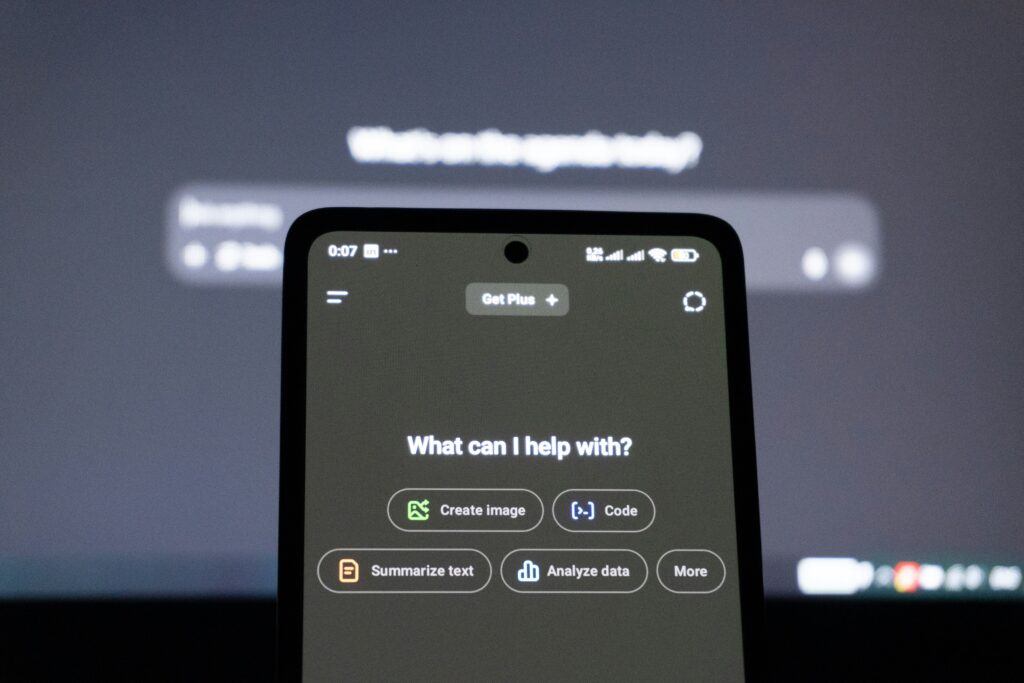
These tools are commonly are the top tools used by students. They still continue to be the in their first preference set for studying and deep diving into reading material.
2. Specialized Data & Development Workflows
For those in technical roles, AI has moved beyond simple chat into integrated environments.
- AI Hub by Beam Data: A centralized platform designed specifically for teams to manage and scale their AI integration. It focuses on bridging the gap between raw AI capabilities and practical business operations, making it a critical tool for structured enterprise workflows.
- Cursor: A code editor built from the ground up for AI collaboration, allowing developers to refactor entire files and manage large codebases through natural language.
- NotebookLM: Google’s specialized research tool that allows you to ground an AI in your own uploaded documents, ensuring responses are derived solely from your verified sources.
3. AI tools for Visual and Creative Graphics Generation
The barrier to entry for high-quality media production has vanished, with tools specializing in specific creative outputs.
- Ideogram: Currently the gold standard for including accurate, high-quality text within generated images—ideal for social media assets and posters.
- Leonardo.Ai: Offers incredible control over image styles and “sketch-to-image” features. This makes it a favorite for designers who need to iterate quickly.
- Kling AI: Leads the pack in video generation, capable of maintaining character consistency and realistic motion across clips.
4. Audio and Productivity Automation
Rounding out the toolkit are utility players that handle the “friction” of daily content production and organization.
- ElevenLabs: Provides the most human-like AI voiceovers available, capturing breath and intonation for professional-grade audio.
- Adobe Podcast (Enhance Speech): A must-have for content creators, instantly removing background noise and echo from any recording to provide studio-quality sound.
- Consensus: A research tool that searches millions of academic papers to provide evidence-based answers. You can complete with a “Consensus Meter” to show the scientific community’s stance on a topic.
Learn AI tools with WeCloudData
The key to a high-impact AI stack in 2026 isn’t just about collecting the most powerful individual tools, but ensuring they communicate effectively within your professional ecosystem. As these platforms move from experimental gadgets to essential infrastructure, the focus shifts toward tools that offer structure and reliability.
As the AI landscape matures, the focus is shifting from simply using these tools to mastering them within specific business contexts. For professionals and teams, the real competitive advantage lies in knowing how to bridge the gap between general AI capabilities and specialized industry needs.
Through WeCloudData’s corporate training programs, organizations can move beyond basic prompts to develop domain-specific expertise.Whether optimizing HR talent acquisition, personalizing education learning paths, or streamlining supply chains, these programs integrate tools like Beam Data’s AI Hub into a cohesive strategy. Equipping your workforce with these high-level skills ensures that AI isn’t just a novelty, but a core driver of institutional growth and operational efficiency.
